
Introduction
Paint protection film is clear. That is the whole point of it: the film protects your paint without changing how the car looks. But clear film has a catch. Whatever is on the paint when the film goes on stays visible under it, often for years. Swirl marks, water spots, light scratches and bonded dirt do not disappear under PPF. They get sealed in.
That is why good installers spend so much time preparing the paint before the first panel of film is laid. This guide explains what paint correction is, when your car needs it, what a proper prep process looks like and what questions to ask before your installation.
What Is Paint Correction?
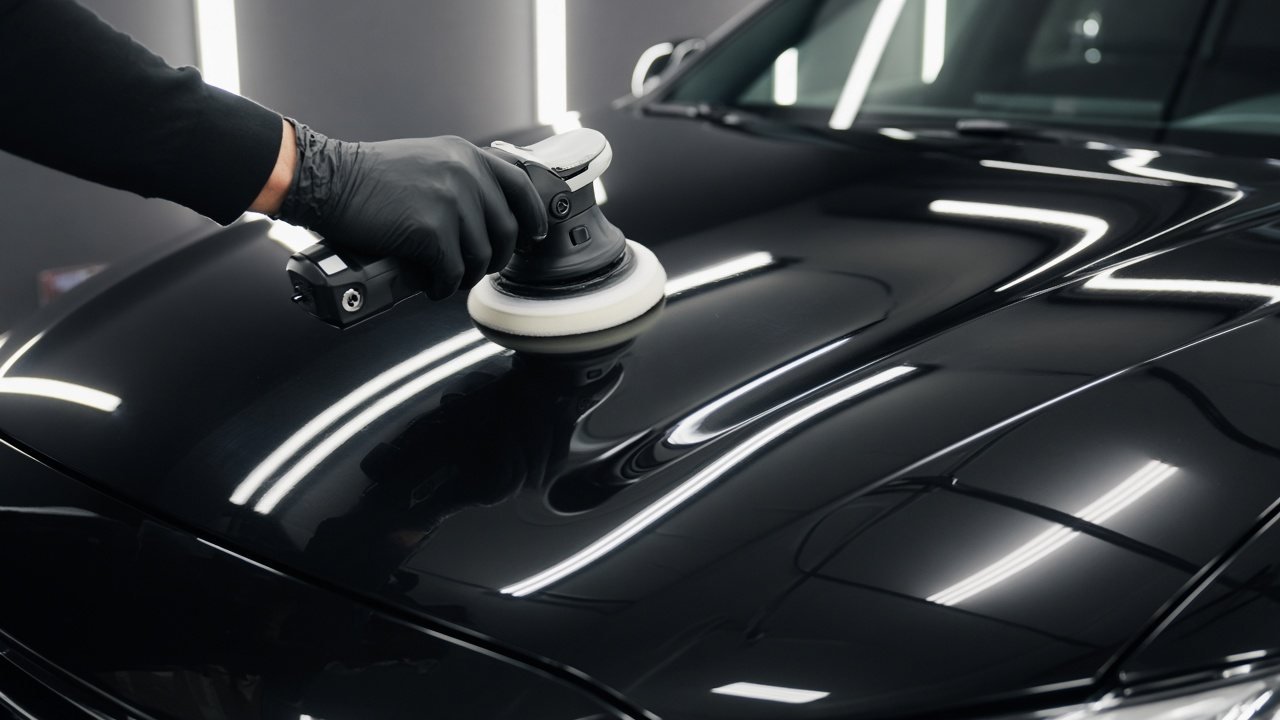
Paint correction is the process of removing defects from the top layer of a car's paint, the clear coat, by machine polishing. A detailer uses a polishing machine, pads and abrasive compounds to level the clear coat very slightly, so that fine scratches and swirls are removed rather than just filled or hidden.
It is usually done in stages:
- Compounding: a more abrasive step that removes deeper swirls and marring.
- Polishing: a finer step that refines the finish and brings back gloss and clarity.
- Finishing: on dark or soft paints, an extra fine step to remove any haze left by the earlier stages.
Not every car needs all three. A brand-new car with a few marks from transport may only need a light polish. An older daily driver that has been through years of automatic car washes may need a full multi-stage correction.
Why Paint Correction Matters Before PPF
The film locks in what is underneath
Once PPF is applied, the paint underneath is protected from new damage, but it is also out of reach. You cannot polish through the film. If swirl marks are sealed in today, the only way to fix them later is to remove the film, correct the paint and fit new film. Correcting first is far simpler.
Clear film can make defects easier to see
A quality gloss film adds depth and shine. That extra gloss is great on clean paint, but it can make swirls and holograms stand out more under strong light, especially on black and other dark colours. If you have a dark car, read our guide to PPF on black paint and swirl marks.
Better adhesion and fewer installation defects
Film bonds best to a surface that is perfectly clean and smooth. Bonded contamination such as tar, iron particles and old wax can stop the adhesive from sitting flat, which can lead to small bubbles, lifting edges or dirt specks trapped under the film. Our article on common PPF installation defects shows what can go wrong when prep is rushed.
You get the full value of the film
People choose PPF to keep their car looking its best for years. Putting premium film over tired paint means paying to protect a finish you are not happy with. Correction first means the paint you protect is the paint you want to look at.
Does a New Car Need Paint Correction?
Often, yes, but usually only a light one. New cars are not always perfect when they reach the owner. Paint can pick up marks during transport, storage at the dealership, the pre-delivery wash and handling at the showroom. Common issues include:
- Light swirl marks from dealership washing
- Water spots from storage outside
- Small sanding marks or dust nibs from the factory
- Adhesive residue from transport wraps
A good installer will inspect the paint under bright lights before quoting and tell you whether a light polish is enough. If you are deciding when to protect a new car, our guide on when to apply PPF on a new car covers the timing.
What a Proper Prep Process Looks Like
Every installer has their own method, but a careful prep process for PPF usually follows these steps:
- Inspection. The paint is checked under strong lighting to find swirls, scratches, chips and any repainted panels. Some installers also measure paint thickness to know how much clear coat they have to work with.
- Wash. A thorough hand wash with a pH-neutral shampoo removes loose dirt.
- Chemical decontamination. An iron remover dissolves embedded brake dust and metal particles, and a tar remover takes off road tar.
- Mechanical decontamination. A clay bar or clay mitt pulls out bonded contamination so the paint feels glass-smooth.
- Paint correction. Machine polishing removes swirls and light scratches to the level agreed with the owner.
- Panel wipe. A final wipe with a dedicated prep solution removes polishing oils, wax and fingerprints so the adhesive can bond properly.
- Installation. Only now is the film cut or patterned and applied.
If any of these steps are skipped to save time, the result usually shows.
What Paint Correction Cannot Fix
Polishing removes defects in the clear coat. It cannot fix damage that goes deeper. Before PPF, these issues need a different repair:
- Deep scratches that have gone through the clear coat into the colour layer
- Stone chips that have exposed primer or bare metal
- Peeling or failing clear coat
- Rust spots
Chips and deep scratches should be touched up or repaired by a paint shop first. If they are left as they are, the film will protect the area from getting worse, but the damage will still be visible underneath. Our article on how PPF helps with stone chips explains what film can and cannot do.
Repainted Panels Need Extra Care
If a panel has been repainted after an accident or repair, tell your installer. Fresh paint needs time to fully cure before film is applied, and aftermarket paint is not always as strong as factory paint. Your installer may recommend waiting, and will take more care when the film is ever removed in the future. You can read more in our guide to how PPF protects car paint.
Questions to Ask Your Installer
Before you book, it is worth asking:
- Is paint correction included, or is it a separate step?
- Will you inspect the paint with me before starting?
- How many stages of correction do you recommend for my car, and why?
- How do you decontaminate the paint before installation?
- Do you work in a clean, dust-controlled bay?
A professional installer will be happy to answer these. Our guide on why professional PPF installation matters covers what else to look for.
After the Film Goes On
Once your paint is corrected and protected, keeping it that way is easy. Wash gently, avoid harsh brushes and give the film time to settle in the first few weeks. See our PPF care guide for the first 30 days and our tips on how to wash a car with PPF.
Summary
Paint correction before PPF means the finish you protect is the finish you want to see. Inspect, wash, decontaminate, correct and panel wipe before installation, and repair chips or deep scratches separately.
Conclusion
Paint protection film works best on paint that has been prepared properly. Ask your installer about inspection and correction before installation, and explore the Ultra Nano Shield PPF range to find the right film for your car.
Explore Ultra Nano Shield Solutions
Talk to us about the right Ultra Nano Shield film for your vehicle, or find an authorised installer near you.