
What is Paint Protection Film (PPF)?
A complete beginner's guide to understanding modern paint protection technology.

Knowledge Hub: Paint Protection Film, Window Tinting & Advanced Protection Systems
A complete beginner's guide to understanding modern paint protection technology.
Discover how premium TPU materials, advanced coatings, and precision manufacturing create long-lasting vehicle protection.

Learn how elastomeric top coats repair minor scratches and swirl marks using heat activation technology.

The premium material behind high-performance paint protection film and long-term optical clarity.
Learn how to identify genuine paint protection film and avoid low-quality alternatives.

Compare protection levels, durability, maintenance, and long-term value.
Understand why premium materials outperform budget films over time.

Film grade, thickness, warranty, car size, coverage and labour: what really decides a PPF quote.

Reduce repainting costs, maintain resale value, and protect your investment.

What warranty coverage reveals about material quality and manufacturer confidence.
Explore self-healing, hydrophobic protection, UV resistance, and gloss enhancement.

See how water-repellent surfaces keep vehicles cleaner and easier to maintain.

What the film is built to stop, where it stops helping, and how to judge a real PPF job.

Liner, adhesive, TPU core, and top coat: what each layer does when grit hits a bumper.

A decision frame based on chip risk, paint color, and how long you will keep the car.

Coverage, body complexity, paint prep, film grade, and shop hours, not a mystery sticker.

Film absorbs chips. Coatings change surface energy. Choose by the problem, not the trend.

How 7.50–8.35 mil films compare, and why thickness is not the only spec that matters.

Light swirls can relax with heat. Cuts through the film cannot. Here is the boundary.

Why premium films specify aliphatic TPU, and why a brochure word is not a lab report.

Yellowing is chemistry plus UV, heat, and baked-in stains, not a failure to wax.

Beads look good in photos. They are not a hardness rating, and they wear.

Price, haze, odor, paperwork, and who answers the warranty phone.

Material warranty is not workmanship warranty. Photos and exclusions decide a claim.

Map coverage to how the car is driven. Full body is not automatically smarter.

U115 to N220, plus matte and glossy black, mapped from published specs only.

Wash, decon, correction, pattern, slip solution, edges, and a clean cure.

Edges are still settling. Treat new film as adhesive chemistry, not finished ceramic.

TPU is the stretchy, clearer standard for premium film. TPH is often cheaper outdoors.

Clear film should not look like textured tape. Inspect it on a dark panel in daylight.
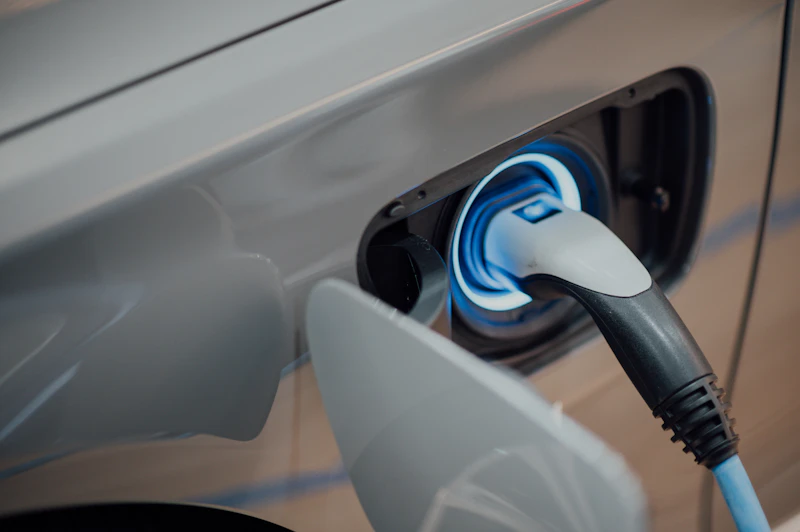
EVs add expensive paint and ADAS cutouts. Film must not blind sensors.

Black paint shows everything. Film helps only if the install is optically clean.

Film absorbs small-particle energy. Large rocks can still mark the film.
Many shops coat settled gloss PPF. Timing and matte compatibility are the constraints.
Ceramic tint is about IR and UV at a given VLT, not how black the glass looks.
VLT is visible light. Heat lives in IR and TSER. Do not shop by darkness alone.

Territory, training load, warranty liability, and brand-confusion risk before you stock rolls.
Dust and stretch marks are usually process. Lot-wide yellowing can be material.
Matte film protects paint and changes its look. Here is how it works, who it suits and how to wash it.
Clear gloss keeps shine; matte softens reflections. Compare finish, care and who each suits.
The label is marketing. Judge any film on chemistry, warranty paperwork and installer support.
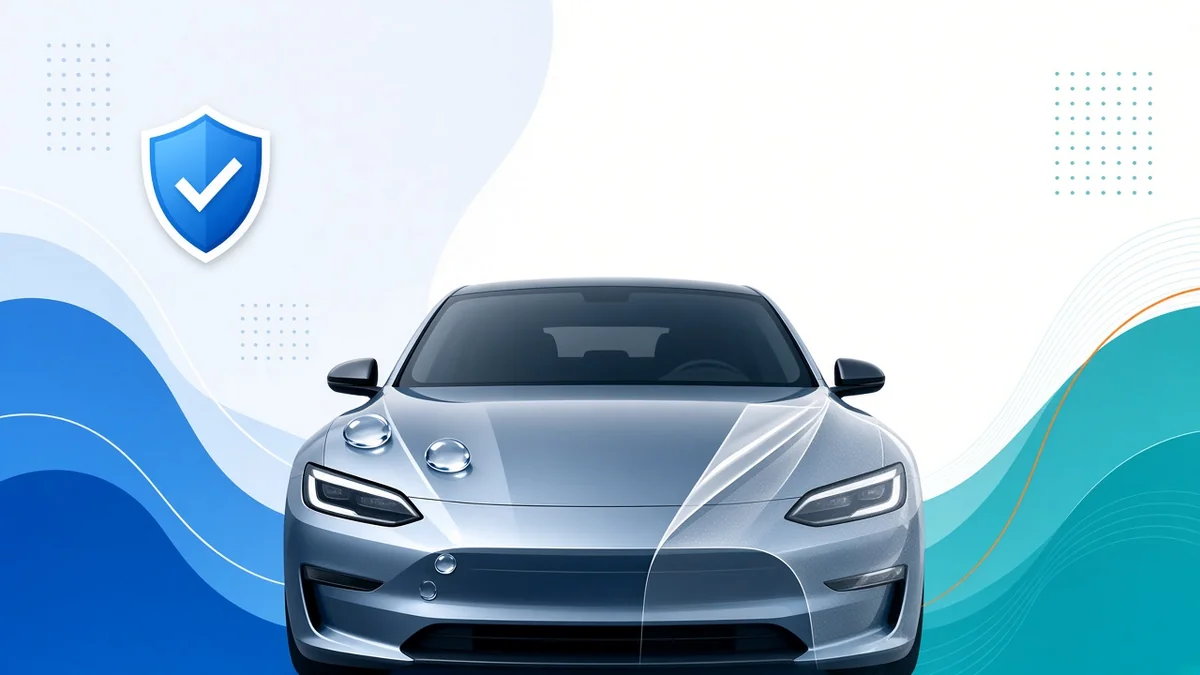
Clear bra is a nickname for clear PPF on the nose of the car. Coverage, film grade and warranty decide the result.
TPU, TPH and PVC can look alike on day one. Compare the materials and use 7 checks to spot real TPU film.